

CMR-27 Saga – Point 1.2: Small terminals, big challenges
State of play for space communications in the Ku band (10-17 GHz)
The Ku band plays a central role in satellite communications. It enables high data rates to be achieved using small-diameter ground antennas—sometimes as small as 30 centimeters—making it a preferred band for commercial consumer services.
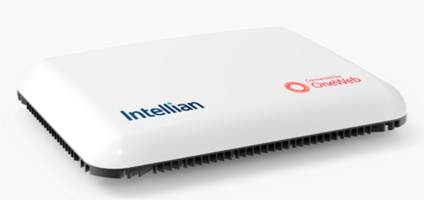
Today, most Ku-band Earth-to-space links are established in the 14–14.5 GHz band. The 12.75–13.25 GHz band, meanwhile, is subject to an allotment plan (Appendix 30B of the RR) that reserves dedicated capacity for the FSS for each country, effectively limiting the possibilities for operation. The 13.75–14 GHz band is also allocated to Earth-to-space FSS, but under particularly strict conditions. When it was allocated, specific measures were defined to protect the radiolocation service (RLS) and the space search service (SRS). In particular, they impose a minimum antenna diameter for earth stations and transmission power limits.
Satellite operators are calling for these constraints to be relaxed in the 13.75-14 GHz band.
Before making any changes to the conditions for sharing the 13.75–14 GHz band, it is essential to ensure that existing services remain protected from the FSS. The Space Research Service mainly uses this band for communications between the International Space Station and geostationary relay satellites. Radiolocation applications, meanwhile, are deployed in the terrestrial, maritime, and aeronautical fields, making operational coordination between uses particularly difficult, if not impossible.
In addition, radiolocation is one of the services most vulnerable to interference. Radars rely on the detection of very low-power echoes, which requires a radio environment with low interference. Any increase in noise levels, or the presence of a large number of interfering emissions, can reduce the detection range and significantly degrade radar performance.
Earth stations can also transmit continuously in the direction of a radar, causing the loss of entire detection sectors for long periods of time. An increase in the number of ground terminals would increase the likelihood of such alignments, while also increasing the risk of aggregate interference, which is exacerbated by the more pronounced side lobes of small antennas (less directionality).
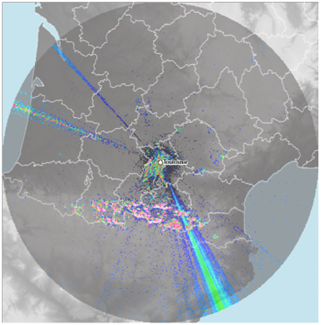
It should be noted that these radars, carried on board aircraft or ships, can operate in international airspace. This mobility currently prevents them from being registered in the ITU's International Frequency Reference File (MIFR), making any formal coordination procedure impossible. This particular situation makes it all the more essential to define band sharing conditions that are applicable worldwide, in order to ensure effective protection of radars, regardless of their location.
The technical studies conducted within the framework of WRC-27 will therefore have to demonstrate the possibility of band sharing despite the expected increase in the number of satellite terminals.